
LSI keywords are related words and phrases that help search engines understand the context of your content. For example, if your keyword is “apple,” terms like iPhone or MacBook show you’re referring to the tech brand, not the fruit. The concept comes from Latent Semantic Indexing, a method introduced in 1988 to identify relationships between terms within large bodies of text. Instead of relying only on exact keyword matches, LSI helps search engines interpret context, relevance, and user intent for more accurate rankings.
If you’re looking for a results-driven SEO agency Houston businesses rely on, we offer data-backed SEO strategies focused on measurable growth and long-term ROI.
Are LSI Keywords Still Relevant for SEO?
In today’s SEO landscape, LSI keywords are often misunderstood.
Myth vs. Reality
- Myth: Google uses Latent Semantic Indexing (LSI) directly as part of its ranking algorithm.
- Reality: Google does not rely on the original LSI model from the 1988 paper. The term “LSI SEO” is largely a marketing phrase. What truly matters is topical relevance and semantic context, not a specific LSI formula.
Relationship with Modern Algorithms
While Google does not use traditional LSI as a ranking factor, the core idea of understanding relationships between related terms remains highly important. Modern search algorithms evaluate topic depth, entity relationships, and semantic meaning rather than simply counting keyword variations or repetitions.
In fact, John Mueller, a representative of Google, clarified this in 2019, stating: “There’s no such thing as LSI keywords, anyone who’s telling you otherwise is mistaken, sorry.”
Google’s Approach to Semantic Search
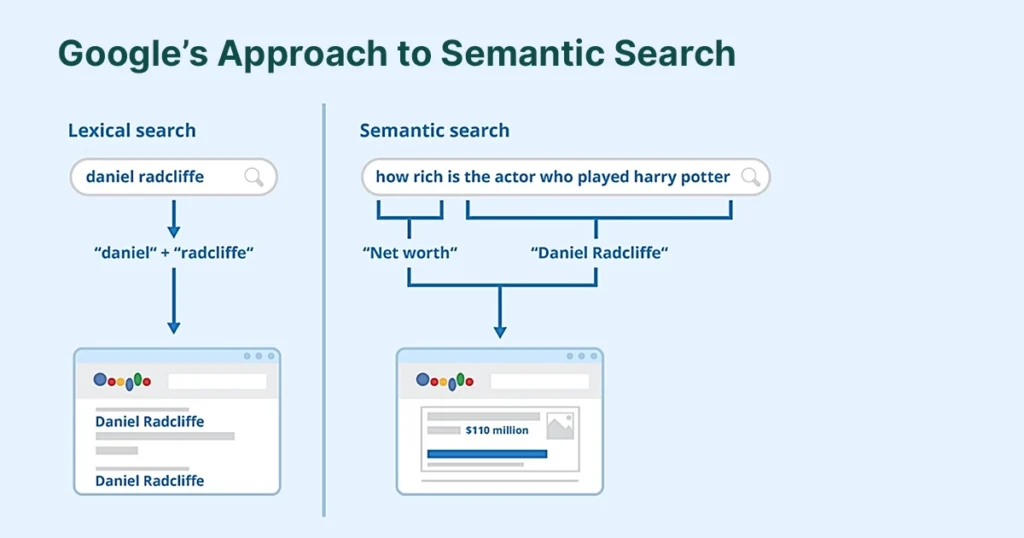
Over the years, Google has shifted from simple keyword matching to intent-based and semantic search.
Major updates like:
- Google’s Hummingbird (2013): Improved understanding of query meaning rather than individual words.
- RankBrain (2015): Introduced machine learning to interpret unfamiliar queries.
- BERT (2019): Helped Google better understand natural language and context in sentences.
- MUM (2021): Designed to understand information across languages and formats.
These systems don’t rely on classic LSI. Instead, they use advanced natural language processing (NLP), machine learning, and neural networks to evaluate meaning, intent, and topical depth.
If you want to implement the latest SEO strategies built around modern search algorithms and drive measurable ROI, not just rankings, our team delivers data-driven solutions designed for real business growth.
Read more: How to Find High-Intent Keywords
Why LSI (Semantic) Keywords Matter for SEO?
Even though Google doesn’t use traditional LSI as a ranking factor, semantic (often called “LSI”) keywords still matter, just not for the reason most people think.
- Improve Topical Depth: Using related terms and supporting concepts shows comprehensive coverage and strengthens authority.
- Clarify Context: Related words help search engines understand ambiguous keywords and your intended meaning.
- Align With Search Intent: Covering related questions and subtopics better satisfies user intent.
- Support Entity-Based SEO: Referencing connected concepts strengthens contextual relevance and discoverability.
- Reduce Keyword Stuffing: Semantic variety prevents over-optimization while building natural authority.
How to Find LSI (Semantic) Keywords
Even though traditional LSI isn’t technically used by search engines, finding semantically related keywords is still essential for building strong, context-rich content. The goal isn’t to “collect LSI keywords,” it’s to discover related terms and subtopics that naturally support your main topic. Here are practical methods to find them:
1. Google Autocomplete
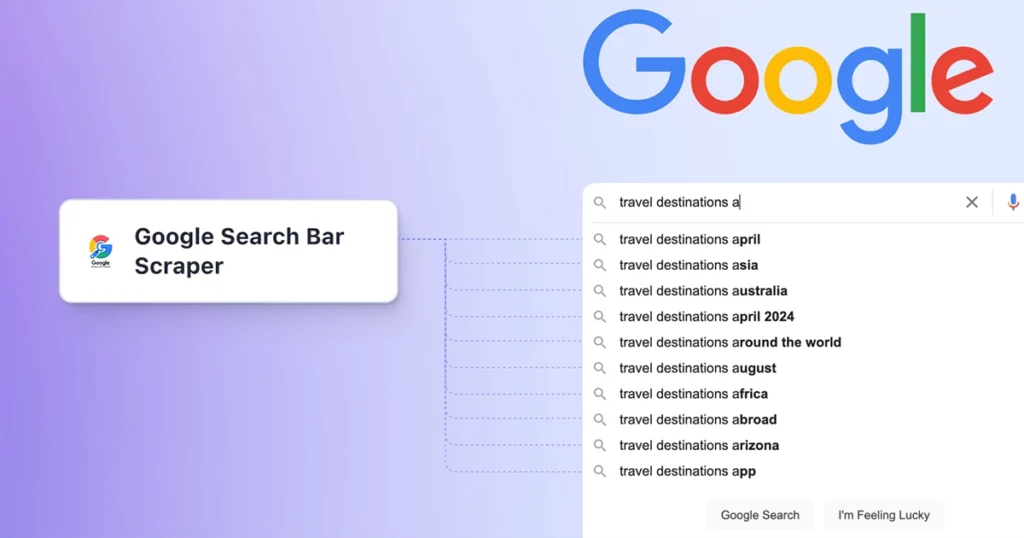
When you start typing a keyword into Google, the autocomplete suggestions reflect real user searches. These ideas help you identify:
- Related phrases
- Common modifiers
- Variations in search intent
For example, “email marketing” may generate suggestions like strategy, tools, examples, or for small businesses, revealing what users commonly associate with the topic.
2. Related Searches at the Bottom of SERPs
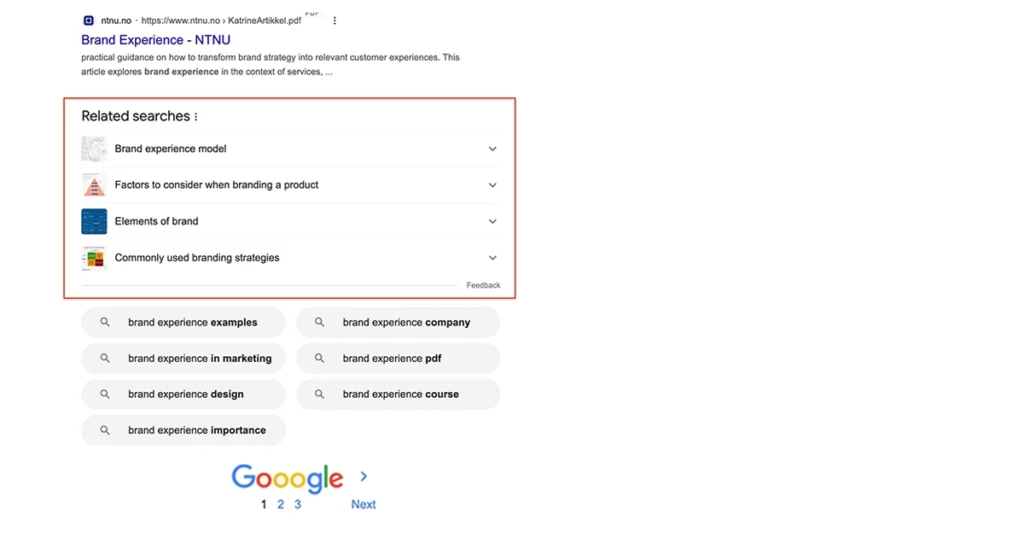
At the bottom of Google’s results page, the “Related Searches” section highlights closely connected queries and alternative phrasings. These terms are useful for identifying supporting subtopics and potential FAQ sections to expand your content naturally.
3. Google Keyword Planner
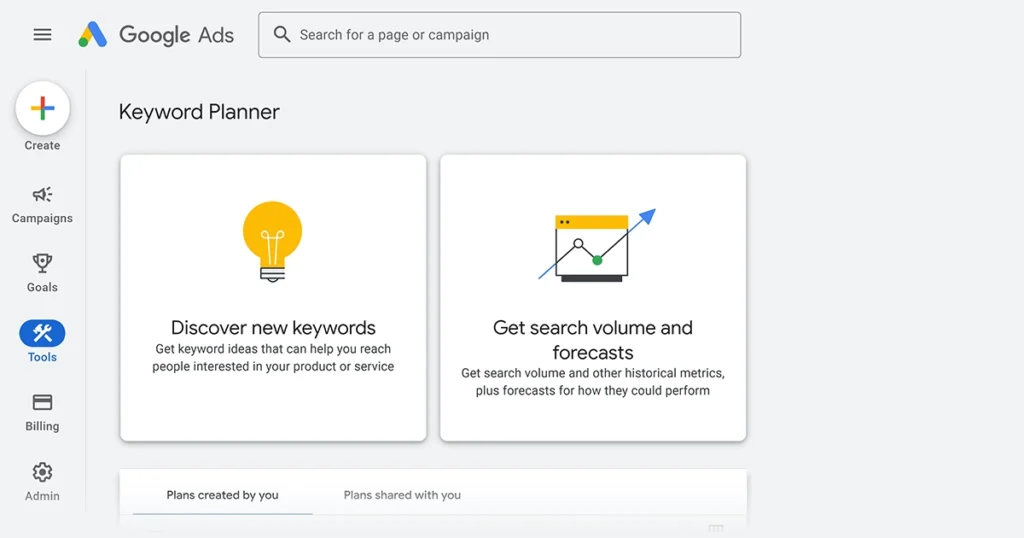
Inside Google Ads, the Keyword Planner tool generates related keyword ideas based on your main term. It helps you:
- Find long-tail variations
- Discover semantically related queries
- Analyze search volume trends
- Identify niche subtopics
4. Bold Terms in Google Snippet Descriptions
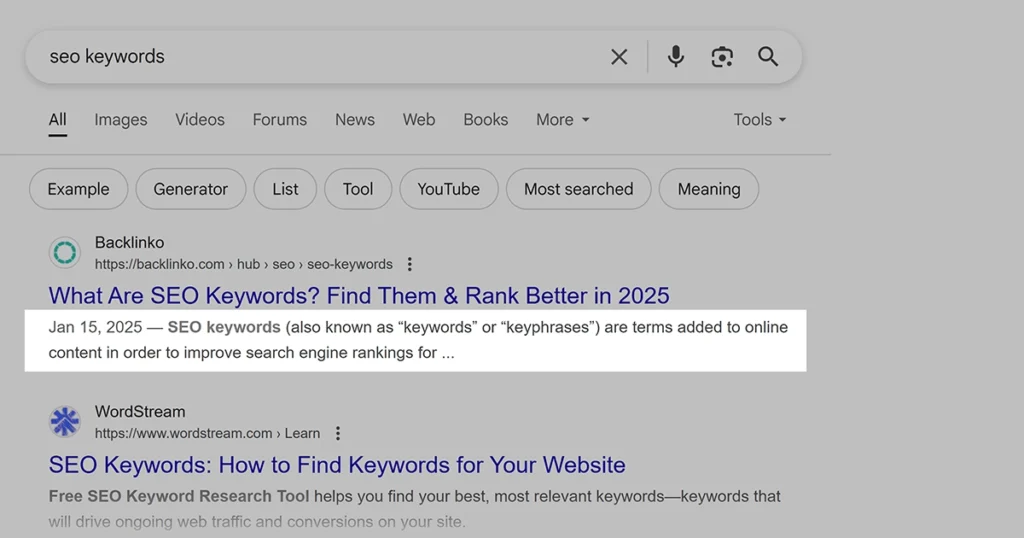
Google often bolds words in titles and meta descriptions that closely match your query. These highlighted terms reveal important synonyms, contextual variations, and semantically relevant concepts worth incorporating into your content.
5. Google Image Tags
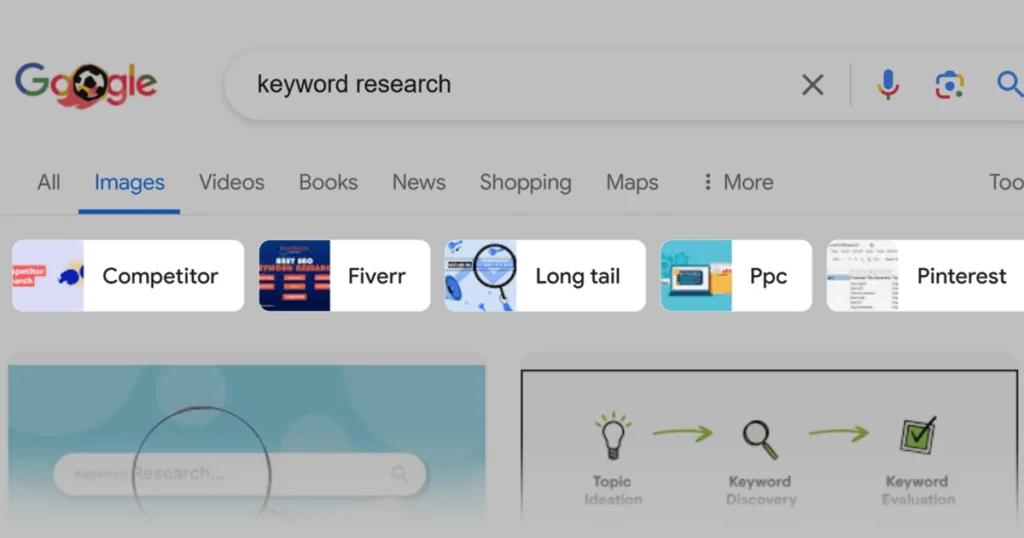
In the Images tab on Google, clickable keyword tags appear above results. These tags show related categories, modifiers, and subtopics, making them excellent indicators for building topic clusters and expanding coverage.
Future-Proof Your SEO With Semantic Strategy
Understanding what LSI keywords really mean, and understanding how search engines interpret context. If you want content that ranks because it’s strategically structured, entity-rich, and aligned with how search engines actually work, it may be time to work with experts.
If you’re searching for a reliable digital marketing agency Houston businesses trust for results-driven SEO strategies, The Maddex provides data-backed optimization, technical SEO, and high-converting content solutions designed to grow your visibility and revenue.