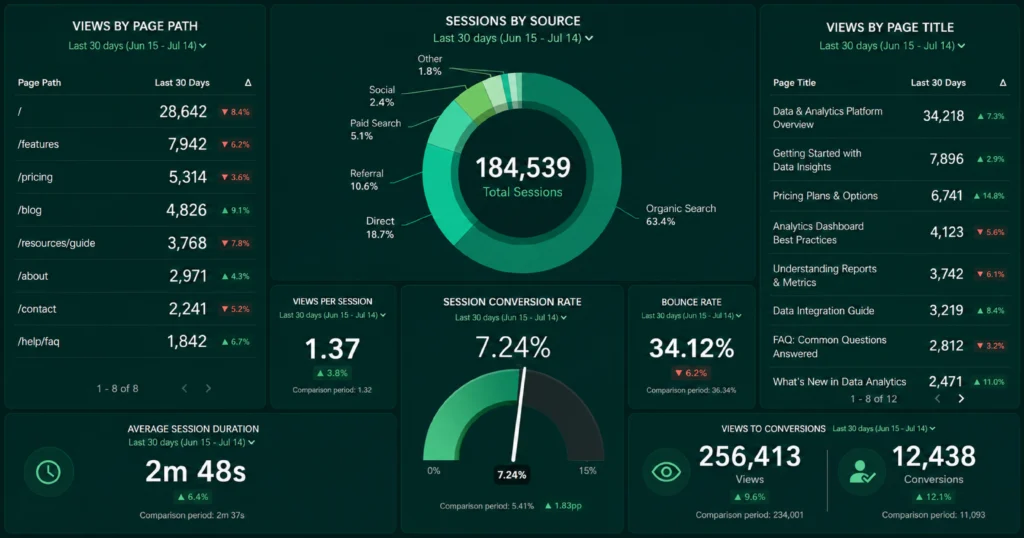
In today’s competitive online landscape, digital marketing for small businesses is essential for growth and visibility. Strategies like SEO, social media, content marketing, and paid ads help businesses reach customers where they spend most of their time online. In fact, organic search drives about 53% of website traffic, highlighting the importance of SEO.
By implementing the right strategies or working with a professional digital marketing agency Houston, small businesses can boost visibility, attract qualified leads, and compete more effectively in their market.
The Importance of Digital Marketing for Small Business
For many companies today, digital marketing for small businesses plays a crucial role in building visibility, attracting customers, and staying competitive. Unlike traditional advertising, digital marketing allows small businesses to reach highly targeted audiences through channels such as search engines, social media, email marketing, and online advertising. This means you can connect with potential customers who are already searching for the products or services you offer.
Key benefits of digital marketing for small businesses:
- Cost-effective: SEO, content marketing, and social media allow small businesses to compete with larger brands on limited budgets. HubSpot reports that 61% of marketers prioritize improving SEO and growing organic presence, showing its impact on long-term growth.
- Targeted reach: Businesses can connect with specific audiences, increasing the chances of engagement and conversions.
- Measurable results: Track traffic, conversions, and customer behavior in real time to optimize campaigns effectively.
- Brand awareness & growth: Builds a strong online presence, generates consistent leads, and helps small businesses compete in crowded markets.
Top Channels in Digital Marketing for Small Business
For small businesses, knowing which digital marketing for small business channels to focus on can make a big difference in results. Leveraging the right channels not only boosts visibility but also drives growth. Here are the essential channels every small business should consider and how they contribute to success:
1. Search Engine Optimization (SEO)
SEO helps your website rank higher on search engines, making it easier for potential customers to find you online. According to Search Engine Land, organic search drives about 53% of website traffic for small businesses, showing the critical role SEO plays in attracting qualified leads.
By optimizing your website with relevant keywords, quality content, and technical best practices, small businesses can achieve sustainable visibility. If you’re looking to accelerate results and implement proven strategies, partnering with a seo agency houston can help you access expert guidance, improve rankings, and generate consistent organic traffic for long-term growth.
Read more: Common SEO Mistakes to Avoid
2. Social Media Marketing
Social media platforms like Facebook, Instagram, LinkedIn, and TikTok allow small businesses to connect directly with their audience. Engaging content and regular interaction can build brand loyalty and trust. In fact, over 70% of consumers say social media influences their purchasing decisions, emphasizing the importance of having an active social presence.
Read more: B2B Social Media Marketing Strategies
3. Content Marketing
Content marketing involves creating blogs, videos, infographics, and guides to educate and engage your audience. It not only improves SEO but also positions your business as an authority in your industry. Content marketing generates 3 times more leads than traditional outbound marketing at a lower cost, according to HubSpot, making it highly effective for small businesses.
Read more: Content Marketing Strategy: How to Plan, Create & Grow
4. Email Marketing
Email remains one of the most cost-effective channels for small businesses. Targeted campaigns can nurture leads, promote products, and encourage repeat business. On average, email marketing has a return on investment (ROI) of $42 for every $1 spent (Litmus), demonstrating its power for small business growth.
Read more: Content Marketing vs Email Marketing
5. Pay-Per-Click Advertising (PPC)
PPC campaigns, such as Google Ads or social media ads, drive immediate traffic to your website. Unlike organic strategies, PPC delivers results quickly and can be highly targeted based on location, demographics, and search behavior. Small businesses can use PPC to increase leads and conversions while controlling budget and performance metrics.
Related: How Google Ads Agencies Contribute to Business Growth
After combining these channels, small businesses can leverage the power of digital marketing to drive growth, improve visibility, and generate qualified leads, showing clearly how digital marketing helps in business growth. To maximize these results, partnering with professionals can make a significant difference.
What to Consider Before Creating a Digital Marketing Strategy
Before diving into digital marketing for small business, it’s essential to plan carefully. A well-structured strategy ensures your efforts are effective, measurable, and aligned with your business objectives. Without proper planning, marketing campaigns can become inconsistent, costly, and less effective. Here’s what small businesses should focus on before creating a digital marketing strategy:
1. Define Clear Goals
Setting clear goals is the foundation of any successful digital marketing strategy. Your objectives will guide which channels and tactics to prioritize. Common goals include
- Increasing brand awareness
- generating leads
- Boosting website traffic
- Improving online sales
For example, if your focus is on generating leads, investing in SEO, content marketing, and email campaigns may provide better ROI than broad social media engagement. Clear goals also make it easier to measure success and optimize campaigns over time.
2. Understand Your Target Audience
A deep understanding of your target audience ensures your marketing resonates and converts. Consider factors such as demographics (age, gender, location), interests, online behavior, and pain points. Creating detailed buyer personas helps you tailor messaging, select the right platforms, and deliver content that addresses your audience’s specific needs. A well-targeted campaign reduces wasted budget and improves engagement.
3. Analyze Competitors
Competitive analysis allows you to identify opportunities and gaps in your market. Examine:
- Channels competitors use
- Types of content performing well
- Engagement strategies
- Strengths and weaknesses
This research can inspire new tactics, help you differentiate your business, and avoid mistakes others are making. Understanding what competitors do successfully, and where they fall short, provides valuable insight into where your small business can stand out.
4. Budget and Resources
Digital marketing is an investment, and allocating the right resources is crucial. Determine your:
- Monthly or quarterly marketing budget
- Tools or software needed for SEO, analytics, or email campaigns
- Go to professional ones like The Maddex.
A clear budget ensures campaigns are consistent and professional, while identifying resource gaps early helps avoid delays or ineffective execution.
5. Choose the Right Channels
Not every platform will suit every business. Choosing the right channels depends on your audience and objectives:
- B2B companies often benefit from LinkedIn and email marketing.
- B2C businesses may see higher engagement on Instagram, Facebook, or TikTok.
- Local businesses should prioritize local SEO and Google Business Profile optimization.
6. Content Strategy and Messaging
Content drives engagement, builds trust, and supports SEO. Before starting campaigns, plan:
- Types of content (blogs, videos, infographics, social posts)
- Messaging tone and brand voice
- Posting frequency and campaign schedules
- How content supports other marketing efforts
A solid content strategy ensures consistent communication and positions your business as an authority, helping build lasting relationships with your audience.
7. Set Measurable KPIs
To track how digital marketing helps in business growth, define key performance indicators (KPIs). Metrics may include:
- Website traffic and session duration
- Lead generation and conversion rates
- Social media engagement and followers
- ROI from paid campaigns
Measuring KPIs allows you to refine your strategy, focus on high-performing tactics, and allocate your budget efficiently.
Get Professional Digital Marketing Services with The Maddex
In conclusion, effective digital marketing for a small businesses is essential for increasing visibility, attracting customers, and driving sustainable growth. From SEO and social media to content and email marketing, the right strategy can transform your online presence.
If you want to take your business to the next level, The Maddex offers professional digital marketing services tailored for small businesses. Our team helps you create targeted strategies, boost online visibility, and generate qualified leads, so you can focus on growing your business while we handle your digital marketing success.