Link building is a fundamental strategy in search engine optimization (SEO) that focuses on acquiring hyperlinks from other websites to your own. These links, commonly known as backlinks, signal to search engines that your content is valuable, credible, and worth referencing, which can help improve your website’s visibility in search results. Research from Backlinko shows that the #1 result on Google typically has 3.8 times more backlinks than pages ranking in positions two through ten, highlighting how powerful link building can be for improving search rankings and organic traffic.
If you are searching for Houston SEO services, we provide professional SEO services to help your website rank higher and gain more visibility.
How Link Building Works
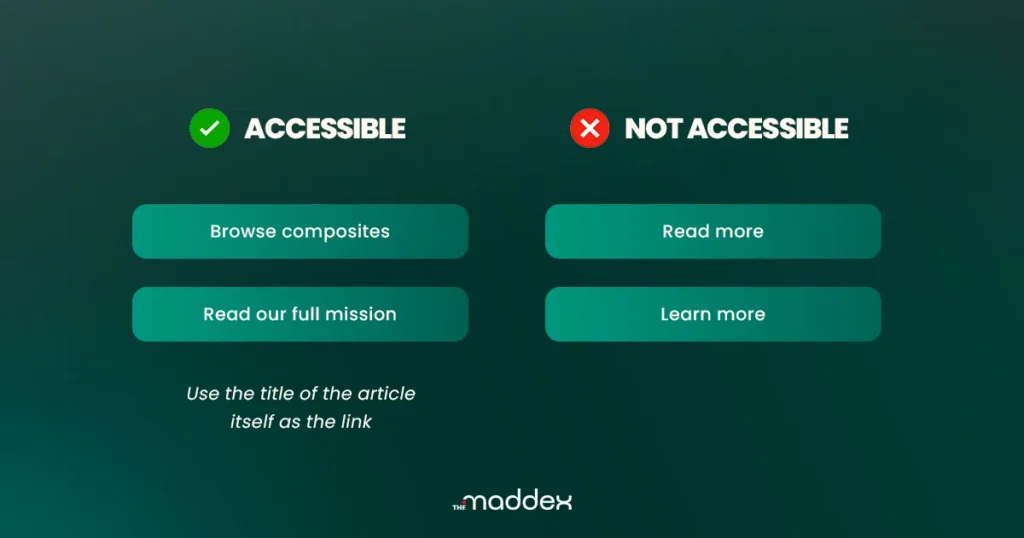
Link building works by earning hyperlinks from other websites that point to your pages. When a website links to your content, search engines treat it as a signal that your page is trustworthy and valuable. The more high-quality and relevant links your site receives, especially from authoritative websites, the stronger your website’s credibility becomes in the eyes of search engines. As a result, your pages are more likely to rank higher in search results, helping drive more organic traffic to your site.
Types of Links in SEO
In SEO, links are generally categorized into internal links and external links, both of which play an important role in helping search engines understand and rank your website.
1. Internal Links
Internal links connect one page of a website to another page on the same domain. They help users navigate your site while also allowing search engines to discover and index more pages. Internal linking also distributes page authority across your website. According to Backlinko, pages with a strong internal linking structure tend to rank better because search engines can crawl and understand the site more efficiently.
2. External Links
External links point from your website to another website or from another website to yours (often called backlinks when they point to your site). These links help search engines evaluate the credibility and relevance of your content. Research by Ahrefs found that over 90% of web pages get no organic traffic from Google, largely because they have no backlinks, highlighting the importance of external links for improving search visibility.
Read Related: How to Get Backlinks to Boost Your Website
Key Factors That Determine Link Quality
The quality of a link is one of the most important factors in SEO because search engines evaluate links to determine how trustworthy and relevant a website is. Not all backlinks provide the same value; some can significantly improve rankings, while others may have little impact. Below are some key factors that determine link quality.
1. Domain Authority
Links from authoritative and trustworthy websites carry more weight than links from low-quality or spammy sites. Search engines consider the credibility of the linking domain when evaluating a backlink. For example, a link from a well-known publication or established website signals strong trust and authority.
2. Relevance of the Linking Website
Relevance is another major factor in link quality. A backlink from a website within the same industry or niche is far more valuable than one from an unrelated website. For instance, a marketing blog linking to another marketing resource is more meaningful to search engines than a link from a completely unrelated topic. Relevant links help search engines better understand the context of your content.
3. Anchor Text
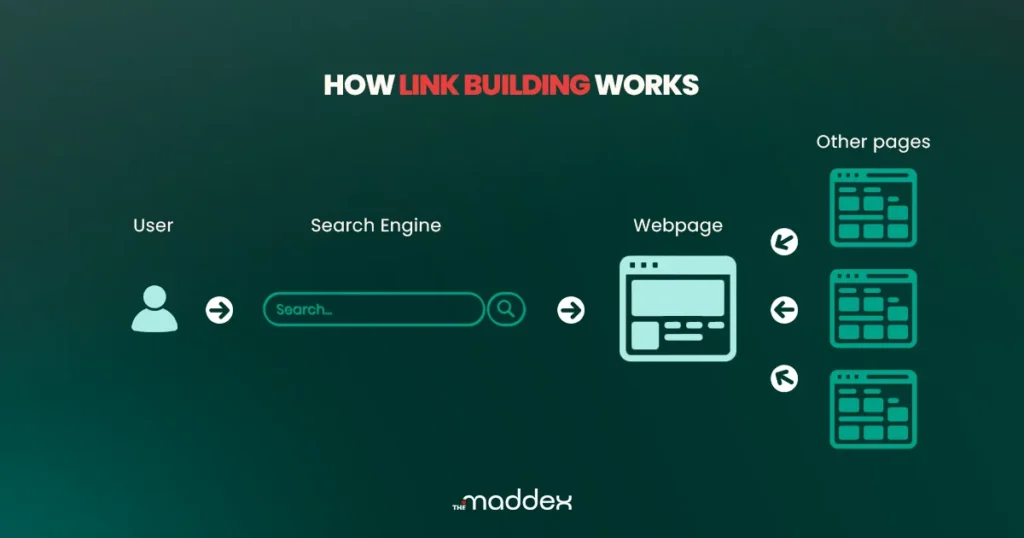
Anchor text is the clickable text used in a hyperlink. Search engines analyze anchor text to understand what the linked page is about. Descriptive and natural anchor text that includes relevant keywords can strengthen the SEO value of a link. However, over-optimized or spammy anchor text can appear manipulative and may reduce the link’s effectiveness.
4. Link Placement on the Page
Where the link appears on a webpage can also affect its quality. Links placed naturally within the main body of content are typically more valuable than links found in footers, sidebars, or comment sections. Contextual links are more likely to be considered editorial and therefore carry more SEO value.
5. Dofollow vs. Nofollow Attributes
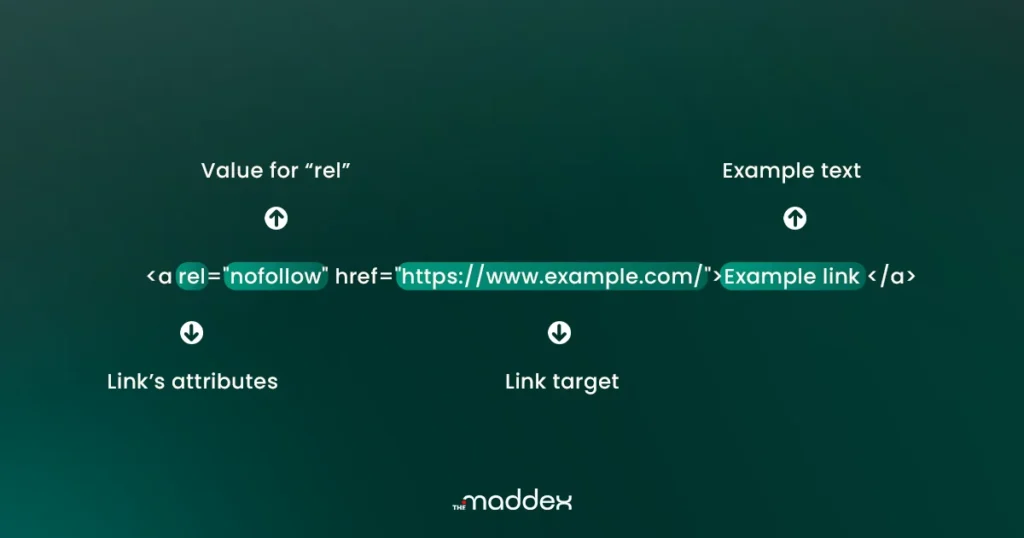
Links can include attributes such as dofollow or nofollow. Dofollow links allow search engines to pass ranking signals (often called “link equity”) to the linked page, making them especially valuable for SEO. Nofollow links, on the other hand, signal to search engines that the link should not directly influence rankings.
While nofollow links may not pass full ranking value, they can still drive traffic and improve brand visibility. Below is an example of a nofollow backlink tag.
Related: Do Nofollow Links Help SEO?
By leveraging these link quality factors, you can boost your website’s authority, and The Maddex takes it further with expert SEO services, strategic link building, and data-driven strategies for sustainable growth. If you’re searching for a digital marketing agency near me, The Maddex delivers results.
Common Link Building Strategies
There are several link building strategies that SEO professionals use to earn backlinks and improve search rankings. Each method focuses on getting links from relevant and authoritative websites. Below are some of the most common and effective strategies used today.
1. Guest Posting
Guest posting involves writing articles for other websites or blogs in your industry and including a backlink to your own site within the content or author bio. This strategy helps build authority, reach a new audience, and gain high-quality backlinks. It remains one of the most widely used strategies.
2. Broken Link Building
Broken link building is a technique where you find broken or outdated links on other websites and suggest your content as a replacement. Website owners often appreciate being notified about broken links because they harm user experience.
The process typically involves:
- Finding pages with broken links using SEO tools.
- Creating or identifying relevant content on your site.
- Reaching out to the website owner and suggesting your link as a replacement.
3. Digital PR
Digital PR focuses on creating newsworthy content, such as original research, data studies, or industry reports and pitching it to journalists, bloggers, and media outlets. If your content gets featured in articles or news sites, you can earn high-authority backlinks. This strategy has become extremely powerful. Recent industry data shows that about 48.6% of SEO professionals consider digital PR the most effective link-building tactic today.
4. High-Value Content
High-value content, often called linkable assets, is content designed to naturally attract backlinks by offering unique value, useful insights, or original information. Instead of actively requesting links, this strategy focuses on creating resources that other websites want to reference. Examples include:
- Original research or data studies
- Infographics and visual guides
- Free tools or calculators
- Ultimate guides and tutorials
Content marketing is heavily used for link building, with about 90% of marketers relying on content creation to attract backlinks.
5. Unlinked Brand Mentions
Sometimes other websites mention your brand, product, or company without linking to your site. By reaching out to those sites and requesting a link, you can convert those mentions into backlinks. This tactic can be very effective because the website already references your brand. Studies show unlinked brand mentions can convert into backlinks at rates of 15–25%.
The Most Important Strategy in the Era of AI Search
With the rise of AI search engines and generative search experiences, the most important link building strategy today is creating linkable assets and earning editorial links through Digital PR and high-quality content. Search engines increasingly prioritize:
- authoritative sources
- original research and data
- expert-driven content
- natural editorial backlinks
Because of this shift, backlinks from trusted publications, research studies, and authoritative websites are far more valuable than large numbers of low-quality links. Digital PR and original research content often attract these types of links naturally, making them especially powerful in modern SEO.
Get Professional SEO Services with The Maddex
Link building remains one of the most powerful factors in SEO success, helping businesses improve search rankings, increase organic traffic, and attract qualified leads. However, modern SEO requires more than just backlinks; it demands a data-driven strategy, strong content, and technical optimization to achieve sustainable growth.
At The Maddex, we combine strategic link building with advanced SEO techniques, including keyword research, technical optimization, and content marketing, to help brands grow online. As a trusted digital marketing agency Houston, our data-driven approach and focus on Generative Engine Optimization (GEO) ensure your business stays visible not only in traditional search results but also across emerging AI-driven search platforms.