
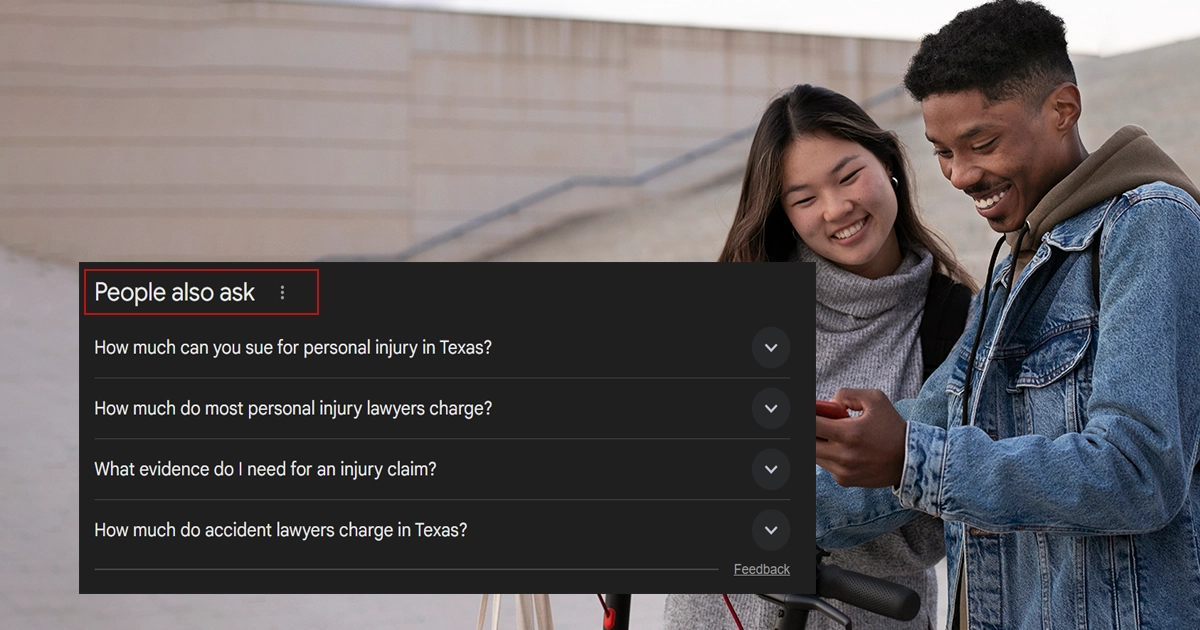
When you search on Google, you’ve probably noticed a box labeled People Also Ask that expands with related questions and answers. But what is People Also Ask, and why does it matter for SEO? For content creators and marketers, understanding how People Also Ask works can help you target real user queries and improve your chances of appearing in these highly visible results.
In this blog, we’ll explore what People Also Ask is, why it’s important, and how to optimize your content for it. If you are searching for an SEO agency Houston, we provide professional SEO services in Houston to help your website rank higher and gain more visibility.
What Is “People Also Ask”?
People Also Ask (PAA) is a dynamic Google SERP feature that shows a list of related questions people commonly search for alongside your original query. When you click one of these questions, it expands to reveal a short answer pulled from a webpage, plus a link to the source.
According to research highlighted by Search Engine Land, visibility for PAA has grown by about 34.7% in the U.S. from February 2024 to January 2025, showing just how prominent this feature has become on search results pages.
Why People Also Ask Is Important for SEO
People Also Ask (PAA) is important because it’s one of the most visible and influential features on Google’s search results pages today, and there’s hard data to prove it: according to research cited by Search Engine Land, the PAA feature now appears in about half of all Google searches, making it one of the most common SERP features alongside local listings.
- Huge SERP Presence: PAA boxes now show up in over half of all Google searches, meaning users see them more often than many traditional organic results, even above the first-ranked link.
- Increased Visibility and Clicks: Appearing in PAA gives your content additional exposure on the first page of Google. Even if your page isn’t in the top organic position, a PAA placement can still drive extra organic traffic.
- User Intent Insights: The questions in PAA boxes reflect real search behavior, making them a valuable source of keyword and topic ideas for content that truly matches what users want to know.
- Brand Authority: Being featured in PAA can signal to users that your site is a trusted source of answers, which can boost your credibility and help your brand stand out.
If you want your content to consistently appear in these valuable SERP features, investing in professional SEO services can significantly improve your chances of success.
How to Optimize for People Also Ask
Optimizing for People Also Ask (PAA) requires a strategic approach focused on search intent, structured content, and clear answers. Since Google pulls PAA responses directly from web pages, your goal is to create content that is easy for both users and search engines to understand. Here’s how you can optimize effectively:
1. Target Question-Based Keywords
Start by identifying real questions people are searching for. Use tools like Google’s autocomplete, the People Also Ask box itself, and keyword research tools to collect related queries. Focus on:
- “What is…”
- “How to…”
- “Why does…”
- “Can you…”
- “Best way to…”
Read Related: How to Do Keyword Research for SEO
2. Answer Questions Clearly and Concisely
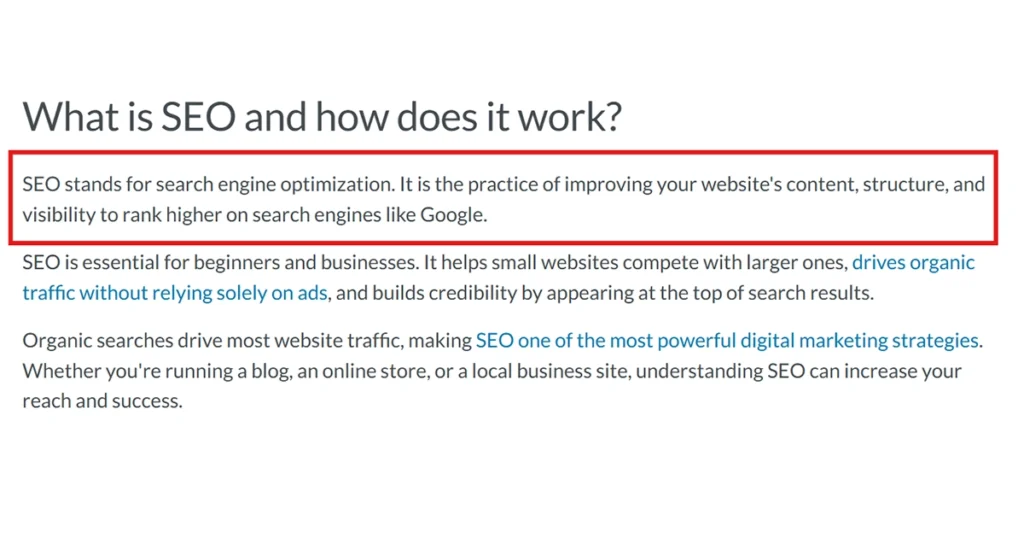
Google prefers short, direct answers for PAA. After adding a question as a subheading (H2 or H3), provide a clear answer in 40–60 words immediately below it.
Best practices:
- Define the topic in the first sentence.
- Avoid fluff or unnecessary introductions.
- Use simple, direct language.
- Expand with additional details after the concise answer.
3. Use Proper Heading Structure
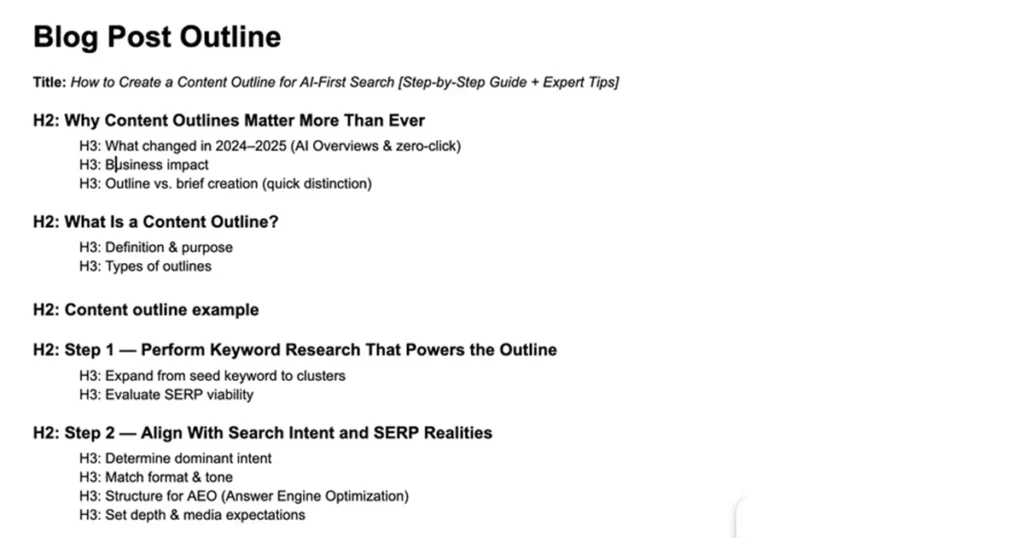
Structure your content logically:
- Use H2 or H3 tags for questions.
- Keep one main idea per section.
- Break long paragraphs into smaller chunks.
Search engines rely on clean formatting to understand your page hierarchy. Proper headings make it easier for Google to identify question-answer pairs.
4. Optimize for Search Intent
Understand whether the query is informational, transactional, or navigational. Most PAA results are informational. Make sure your content:
- Solves the user’s problem.
- Provides accurate, up-to-date information.
- Matches what users actually want to know.
Content that directly satisfies intent performs better in SERP features.
Read Related: How to Find High-Intent Keywords
5. Optimize for Featured Snippets
Featured snippets are the boxed answers that appear at the top of Google’s search results, often referred to as “position zero.” Since PAA answers are often pulled similarly to featured snippets, use:
- Short paragraphs (40–60 words)
- Bullet points or numbered lists
- Simple definitions
Get Featured in Google’s People Also Ask With The Maddex
Now you know what People Also Ask is and why it matters for SEO, the next step is to execute it strategically. Optimizing for these SERP features requires the right structure, keyword targeting, and technical expertise.
If you’re searching for a digital marketing agency Houston businesses trust to improve visibility and rank in SERP features, rely on the professionals. At The Maddex, our SEO experts create data-driven strategies designed to position your content where it gets noticed