Keyword cannibalization occurs when multiple pages on the same website target the same or very similar keywords. Instead of strengthening your SEO, this can weaken it because search engines may struggle to determine which page should rank for that query. This issue is more common than many website owners realize. Studies show that mature websites older than 10 years experience an average of 13.95% keyword overlap, highlighting how easily content can begin competing internally as a site grows.
If you are searching for an SEO agency Houston, we provide professional SEO services in Houston to help your website rank higher and gain more visibility.
Is Keyword Cannibalization Bad for SEO
Keyword cannibalization occurs when multiple pages on your site target the same keyword and intent. Instead of boosting visibility, this confuses search engines and splits ranking signals. As a result, Google may struggle to determine which page best satisfies the query, causing several weaker pages to compete instead of one strong page ranking higher.
Here’s why it’s harmful:
- Ranking dilution: Multiple pages compete for the same keyword, lowering overall performance.
- Split authority: Backlinks, internal links, and engagement signals get divided.
- Confused search engines: Google may rank the “wrong” page —or switch rankings frequently.
- Lower click-through rates: Competing pages can reduce visibility and consistency.
When It’s Not an Issue
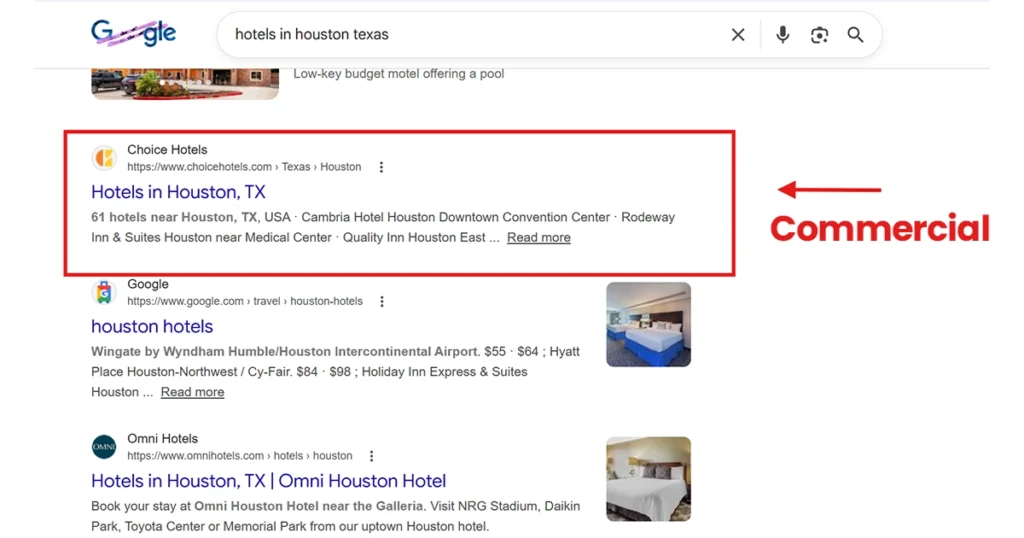
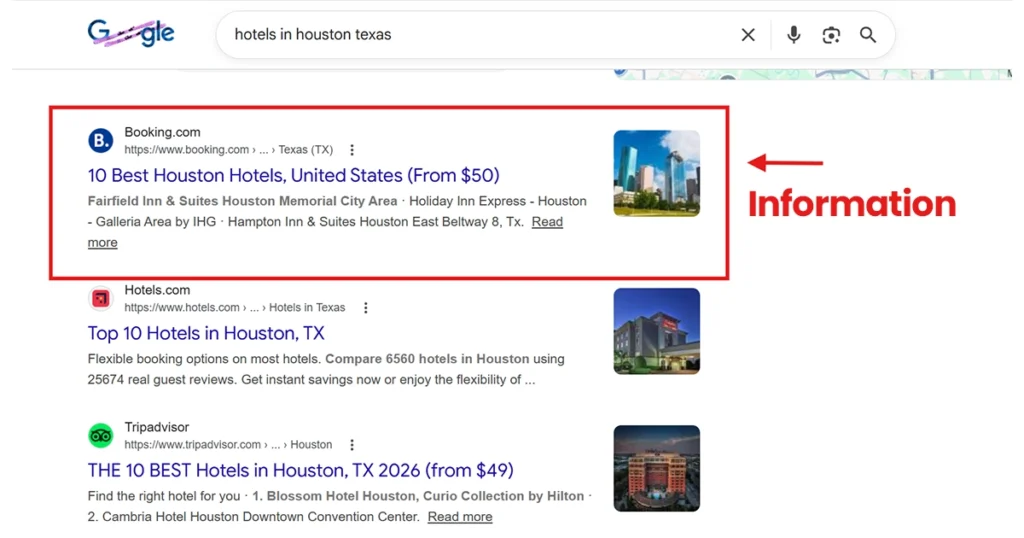
Search intent is what really matters. If multiple pages target the same keyword but satisfy different intents, it usually won’t cause keyword cannibalization. For example, one page may be informational while another is commercial.
Take the query “hotels in Houston, Texas.” Search results often include both travel guides (informational intent) and hotel booking or listing pages (commercial intent). Since they serve different purposes, they can rank together without competing.
Keyword overlap alone isn’t the problem; the issue occurs when multiple pages target the same keyword and the same search intent. If you’re unsure how to evaluate search intent or fix potential conflicts, it’s often best to consult an experienced SEO professional who can audit your site and implement the right strategy effectively.
How to Identify Keyword Cannibalization
Identifying keyword cannibalization requires analyzing whether multiple pages on your site are competing for the same keyword and the same search intent. Here are practical ways to spot it:
1. Search Your Keyword in Google
Type this into Google:
site:yourdomain.com “target keyword”
If multiple URLs appear targeting the same keyword, that’s your first sign of potential cannibalization.
2. Use Google Search Console
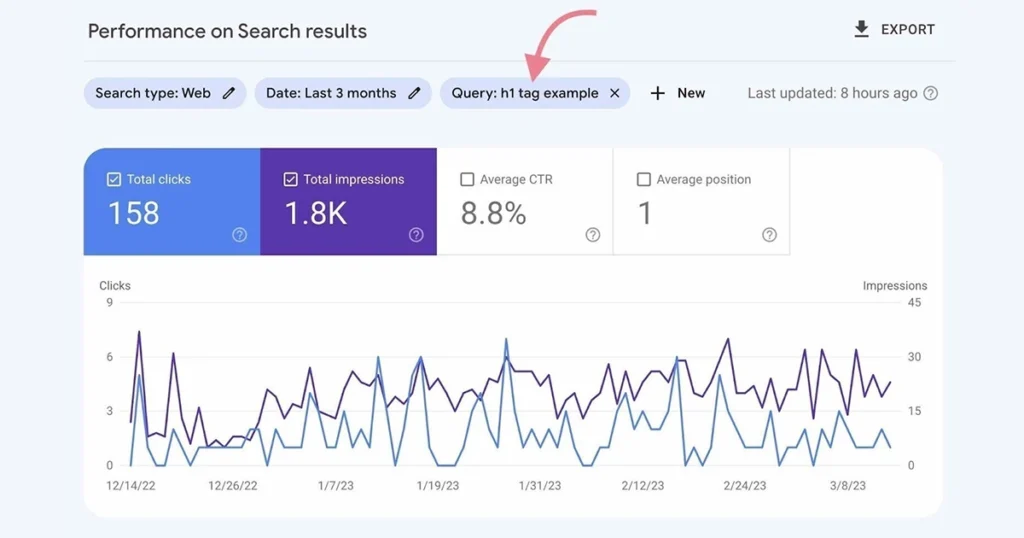
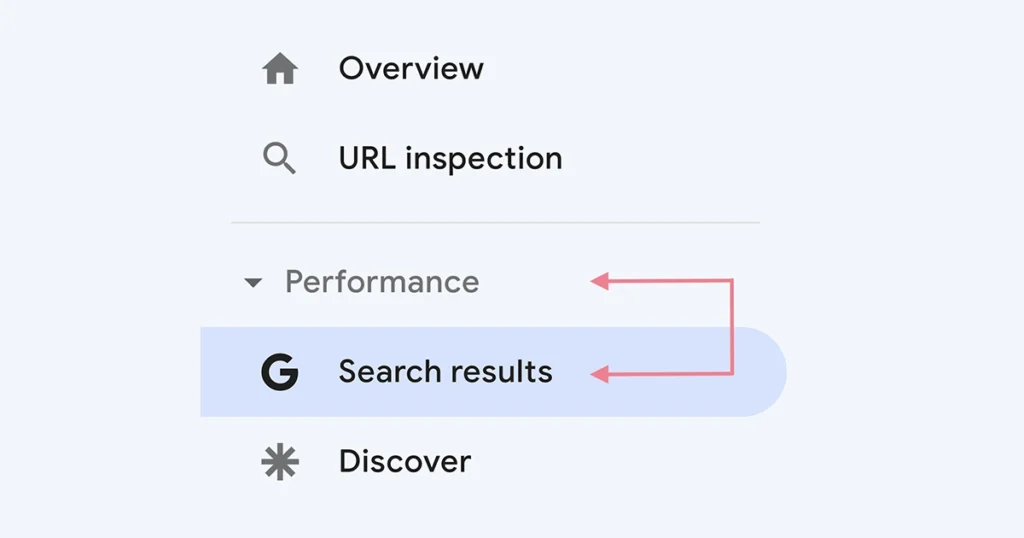
Start by opening your Google Search Console account and selecting the correct property (your website).
From there:
- Navigate to Performance in the left-hand menu.
- Click on Search Results to open your query data.
- At the top of the report, click on + New and choose Query from the filter options.
- Enter the specific keyword you want to analyze and apply the filter.
Now you’ll see data specifically for that keyword.
- Click on the Pages tab next to Queries.
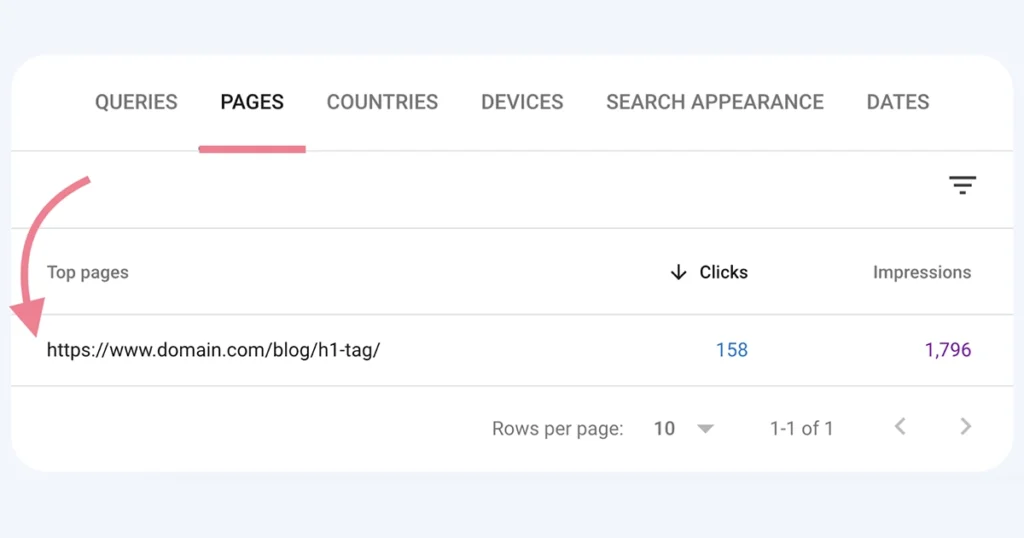
- Review the list of URLs that are getting impressions and clicks for that same keyword.
If several pages are ranking for the same query, especially fluctuating in position, it may indicate cannibalization.
3. Use SEO Tools
You can also use professional SEO tools like Ahrefs, SEMrush, and Moz to identify keyword cannibalization more efficiently. These platforms allow you to track which URLs are ranking for specific keywords, analyze overlapping keyword targets across multiple pages, and detect performance conflicts.
How to Fix Keyword Cannibalization
Fixing keyword cannibalization requires a strategic approach. The goal is to consolidate authority, clarify search intent, and ensure that only the most relevant page ranks for a specific keyword. Here are the most effective ways to resolve the issue:
- Consolidate Competing Pages: Merge pages targeting the same keyword and intent into one authoritative page. Combine the best content, expand it, and use a 301 redirect to point weaker pages to the main URL to consolidate ranking signals.
- Differentiate Search Intent: If keeping multiple pages, ensure each targets a distinct intent (e.g., informational vs. commercial). Adjust keywords, headings, and content focus to clearly separate their purpose.
- Use Canonical Tags: When similar pages must exist (such as product variations), add a canonical tag to signal the preferred version and prevent split ranking signals.
- Noindex Low-Value Pages: Apply a noindex tag to non-essential pages like tag archives, thin content, or filtered URLs to remove internal competition.
Struggling with Keyword Cannibalization? The Maddex Has the Solution
Keyword cannibalization can quietly limit your rankings, dilute authority, and prevent your content from reaching its full potential. If you’re struggling with keyword cannibalization, we’re here to help.
At The Maddex, our results-driven team specializes in SEO strategy and performance growth. We help businesses resolve technical issues, strengthen keyword targeting, improve rankings, and maximize organic traffic to achieve measurable results. If you’re searching for a trusted digital marketing agency Houston businesses rely on for strategic SEO solutions, The Maddex is ready to help you turn underperforming content into measurable growth.