Search Engine Optimization (SEO) continues to be the backbone of digital visibility, but with AI-driven search, algorithm shifts, and evolving consumer behaviors, many brands are asking: Is SEO worth it in 2025? The short answer is yes. SEO has evolved beyond rankings; it’s now about visibility, trust, and sustainable growth in an increasingly competitive online marketplace.
With smarter algorithms and AI-driven search experiences, visibility now depends on user intent and content authority. SEO standards, E-E-A-T, and multi-channel reach shape how brands are discovered across search and social. Partnering with trusted SEO services helps businesses keep pace with these changes and achieve lasting organic success.
Search Engine Preference among Consumers in 2025
Consumer search behavior in 2025 is driven by trust, speed, and personalization. According to Ahrefs’ research, 68% of online experiences begin with a search engine, highlighting how crucial it remains for brands to maintain strong search visibility. While Google still dominates the landscape, AI search assistants like ChatGPT Search, Bing Copilot, and Perplexity are carving their share of the search ecosystem.
- Google’s AI Overviews are influencing how users consume content, often answering queries directly within results.
- Voice search optimization and visual discovery on platforms like Pinterest Lens and TikTok Search continue to grow.
- Users now expect relevant, authoritative, and human-like responses, not keyword-stuffed pages.
Understanding where and how your audience searches, whether on traditional engines, answer engines, or social discovery platforms, is key to building an SEO strategy that aligns with modern user intent.
Market Indicators: Is SEO Worth the Investment?
From a business perspective, SEO remains one of the most cost-effective marketing channels in 2025. It continues to deliver compound returns, strengthening visibility, brand trust, and long-term traffic without recurring ad costs.
According to recent research, the search engine optimization services market size has grown from $79.45 billion in 2024 to $92.74 billion in 2025, reflecting a 16.7% compound annual growth rate (CAGR), a clear indicator of the growing confidence and investment in SEO worldwide.
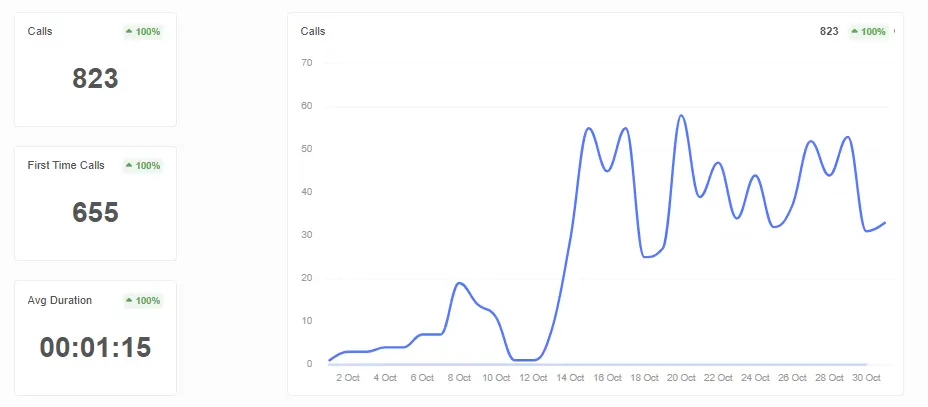
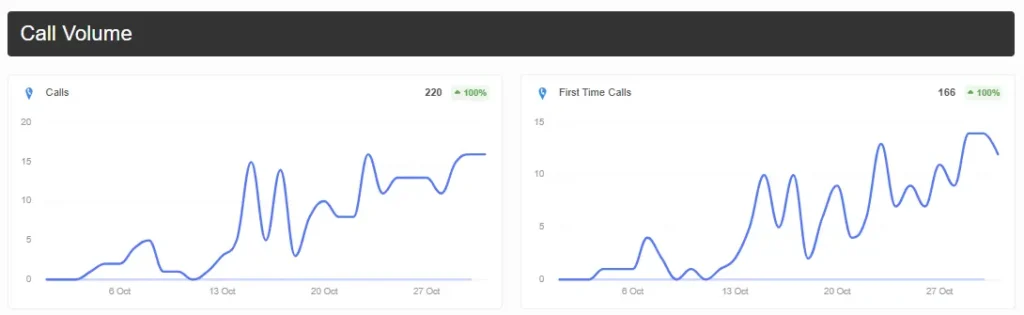
At Maddex, this performance snapshot from one of our clients highlights the impact of SEO alone. The graph shows a steady rise in organic calls throughout the month, generated entirely through search engine optimization.
Below is a comparison of how SEO, Paid Search, Social Media, and Email Marketing perform across key business metrics:
| Channel | ROI Potential | Long-Term Value | Lead Generation Effectiveness | Trust & Brand Building |
| SEO (Search Engine Optimization) | High (5.3x average ROI) | Excellent — results strengthen with age | Strong — attracts high-intent organic leads | High — builds credibility and authority |
| Paid Search (PPC) | Medium (2.2x average ROI) | Limited — stops when budget ends | Strong short-term — immediate traffic | Moderate — transactional trust only |
| Social Media Marketing | Moderate (1.8x average ROI) | Moderate — dependent on trends and algorithms | Medium — awareness-driven | Good — boosts visibility but not authority |
| Email Marketing | Moderate (3.1x average ROI) | Strong — nurtures existing leads | Weak — limited to existing audience | High — builds loyalty and personal engagement |
SEO consistently outperforms in long-term brand visibility, trust, and cost efficiency, making it the most sustainable channel for ongoing business growth. Unlike paid campaigns that pause when budgets run out, SEO builds lasting digital equity, keeping your brand discoverable and credible across evolving search ecosystems.
Adapting to AI-Driven Search Experiences
The future of SEO lies in adapting to AI-generated search results and zero-click searches. As Google’s AI Overviews, Bing Copilot, and ChatGPT Search evolve, visibility now depends on how well content is structured and optimized for AI understanding.
To stay competitive:
- Create conversational, intent-rich content that answers user questions comprehensively.
- Use schema markup and structured data to help AI interpret and cite your content accurately.
- Optimize for featured snippets and topic clusters that match AI consumption patterns.
In an era where AI-driven search decides what users see first, businesses must prioritize clarity, authority, and semantic depth to remain visible.
Emerging SEO Trends in 2025
The SEO landscape in 2025 is evolving faster than ever, shaped by AI-driven search, user behavior shifts, and new ranking signals. Businesses can no longer rely on outdated tactics; success now depends on adaptability, innovation, and understanding how algorithms interpret content. From AI integration to multi-platform optimization, staying ahead of these emerging trends ensures your brand remains visible in a constantly changing digital ecosystem.
AI SEO Integration
Artificial intelligence is reshaping how search engines display and rank content, introducing new ecosystems like Google’s AI Overviews (SGE), ChatGPT Search, Bing Copilot, and Perplexity. These AI-driven platforms rely on contextual understanding, rewarding brands that deliver clear, credible, and intent-focused information.
Modern AI SEO strategies now include optimizing for conversational queries, structuring content for AI summaries, and enhancing topical authority across multiple touchpoints. As AI search expands, businesses that adapt their content for both humans and algorithms gain stronger visibility and a lasting competitive advantage.
Establish Authority with E-E-A-T
Google’s algorithm now prioritizes Experience, Expertise, Authoritativeness, and Trustworthiness (E-E-A-T) more than ever before. These signals help Google evaluate whether your content is credible, helpful, and created by reliable sources all essential for earning sustainable organic visibility.
In AIOSEO research, a standout example is ZOE, a nutrition app that adds detailed author bios and transparent sourcing to every content piece. By prominently showcasing expert credentials and medical reviewer details, ZOE sent strong E-E-A-T signals to Google, resulting in a 754% increase in site traffic within six months.
Breaking down E-E-A-T:
- Experience: Demonstrate first-hand knowledge or user-based insights to build authenticity and connection.
- Expertise: Feature qualified specialists or subject matter experts to validate your information.
- Authoritativeness: Earn mentions, backlinks, and recognition from credible publications and trusted voices in your field.
- Trustworthiness: Ensure transparency through clear sourcing, fact-checking, and secure user experiences.
By consistently applying these principles, brands strengthen both user trust and algorithmic credibility, driving long-term SEO growth.
Search Intent Optimization
SEO is no longer about stuffing keywords; it’s about satisfying user intent with meaningful, context-rich content. Modern algorithms evaluate whether your page genuinely answers what users seek informational, navigational, or transactional. Aligning content with emotional triggers and buyer journey stages creates higher engagement and conversions. In 2025, intent-driven SEO separates top-ranking content from pages that fade into digital noise.
Technical SEO Advancements
A website’s technical health directly impacts how search engines rank it. In 2025, Core Web Vitals, mobile-first indexing, and overall page experience are non-negotiable foundations for performance. If you’re new to these concepts, understanding the basics of what technical SEO is can help you see why these factors matter so much. Implementing structured data and schema markup helps AI understand your site better, while improving security and loading speed enhances user satisfaction. Businesses investing in robust technical SEO are laying the groundwork for scalable, future-ready visibility.
Search Everywhere Optimization
Search behavior has expanded far beyond traditional engines users now explore through YouTube, Reddit, voice assistants, and visual platforms like TikTok and Pinterest. This means SEO is no longer limited to Google rankings but is about being discoverable everywhere your audience searches. Optimizing for voice queries, video SEO, and social discovery platforms creates a multi-channel presence that amplifies brand reach. A strong multi-channel SEO strategy ensures your brand stays visible in every corner of the digital ecosystem.
Measuring SEO Success in 2025
Measuring SEO effectiveness in 2025 requires a holistic approach that goes beyond simple rankings or traffic numbers. Modern SEO success depends on analyzing trends, user interactions, and content performance to uncover actionable insights. By focusing on these factors, businesses can make data-driven decisions that strengthen visibility, engagement, and long-term growth.
Key metrics to monitor:
- Organic traffic growth across channels
- Search visibility and brand search volume
- Engagement metrics like dwell time and CTR
- Conversions driven by organic touchpoints
- Content performance by user intent
By leveraging advanced analytics, you can prove ROI, refine targeting, and demonstrate how SEO contributes directly to revenue and brand awareness.
Should You Still Invest in SEO?
If you’re asking, “Is SEO still relevant?” The answer is yes. While paid ads and social campaigns provide quick visibility, SEO builds long-term digital equity and attracts traffic that trusts your brand.
SEO also strengthens brand authority across multiple platforms, from Google search to YouTube, Reddit, and voice assistants. It adapts to evolving algorithms, AI-driven search, and zero-click environments to keep your content relevant. Businesses that integrate SEO with their digital strategy balance short-term campaigns with sustainable, long-term growth.
Don’t wait, include SEO in your business strategy today. To learn actionable tactics, check out our blog: Top strategies to improve SEO and boost Google rankings
Future of SEO
SEO is far from dead, but it continues to evolve rapidly in 2025. Today, success depends on adapting to AI-driven search, personalization, and user-centric experiences. Businesses must combine content, data, and technical optimization to remain visible and relevant. The future of SEO emphasizes balancing algorithmic precision with authentic human expertise to deliver meaningful value to users.
SEO Isn’t Dead, But It Is Evolving
The history of SEO has always been about adapting from link building to mobile-first and now to AI-driven discovery. In 2025, SEO plays a strategic role in uniting content, data, and personalization.
- Personalized search results now depend on first-party data and brand reputation.
- Authority building and topic coverage determine whether your content earns AI visibility.
- SEO integrates with content marketing, UX, and analytics more than ever before.
Ready to Invest in SEO for 2025 and Beyond?
If you’re serious about growth, now’s the time to rethink your SEO strategy. Audit your website, align with modern SEO practices, and embrace AI-driven optimization to stay ahead of competitors.
SEO isn’t a short-term trend, it’s a future-proof investment that compounds over time, driving visibility, credibility, and profitability. In 2025 and beyond, the question isn’t “Is SEO worth it?” it’s “Can your business afford to ignore it?” Partnering with experts is no longer optional, and that’s where The Maddex comes in. We demonstrate how strategic SEO can transform online presence, boost organic traffic, and build lasting brand authority even in the most competitive markets.